

Guest Experience
Pro Tips
Do Airbnb Hosts Need Their Own Website?
Do Airbnb Hosts Need Their Own Website?
20 kwi 2026
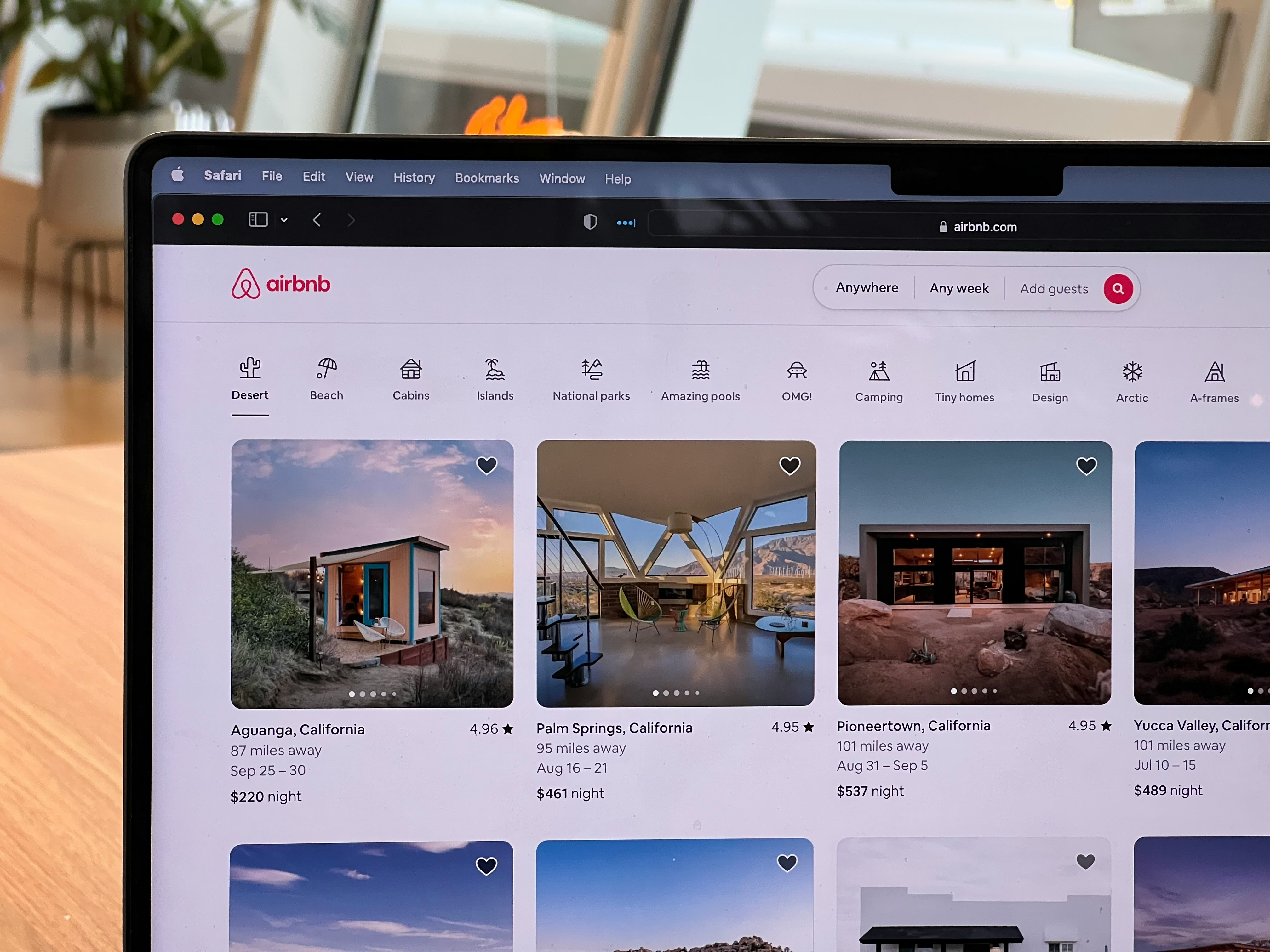
View of Airbnb homepage
The short answer is: it depends. The longer answer is worth reading before you either dismiss the idea or spend money on something you don't actually need yet.
What Airbnb gives you (and what it doesn't)
Airbnb is genuinely good at one thing - getting you in front of guests who wouldn't have found you otherwise. The platform has the traffic, the trust infrastructure, and the search reach that would take most small hosts years to replicate independently. For anyone just starting out, it's still the right place to begin.
But here's what nobody tells you clearly upfront: Airbnb doesn't give you a business. It gives you access to their business.
You don't own your guest list. Airbnb doesn't share guest email addresses - which means if a guest wants to come back, they go through the platform again, and you pay commission again. Every time.
You don't control your own rules. Cancellation policies, pricing structures, payment timelines - all increasingly dictated by Airbnb. In 2025, the platform tightened things further, restricting hosts from directing guests to external websites or sharing personal contact details, and is reportedly using AI to monitor messages for violations.
You don't control your visibility. One algorithm change, one bad review, or one unexplained demotion and your bookings can drop without warning. It happens, and there's not much you can do about it when it does.
None of this makes Airbnb bad. It makes it a distribution channel - one you probably shouldn't rely on exclusively.
Hospitality has a real advantage most hosts overlook
Here's something that often gets missed in the "do I need a website" conversation: hospitality businesses are genuinely well-suited to being found through Google, in a way that most other small businesses aren't.
When someone is planning a trip, one of the first things they do is Google the destination. "Vacation rental in [location]." "Cabin near [national park]." "Apartment in [city centre]." These are high-intent searches from people who are actively looking to book - not vaguely browsing.
If you have a website and a Google Business Profile, you can show up for those searches. Your Google Business Profile in particular adds credibility - it shows your property in search results with photos, reviews, and contact details. Guests increasingly trust Google results, and some actively seek out direct options specifically to avoid OTA fees on their end.
This matters because it means a website isn't a blank slate that nobody finds. For a hospitality business in a searchable location, a basic web presence with some care taken around SEO can genuinely attract guests organically over time — without paying commission on every booking they make.
So who actually needs their own website?
Not every host, and not necessarily right away.
If you have one property, you're fully booked most of the year through Airbnb, and you're happy with your margins — you probably don't need a standalone website yet. Your energy is better spent on things like improving your listing photos or getting more reviews.
A direct booking website starts making sense when:
You're consistently booked but losing meaningful revenue to commission. Airbnb charges hosts a service fee on every booking. On top of that, guests pay their own fee. If you're doing consistent volume, that adds up. A direct booking website lets you keep that margin on returning guests.
You have repeat guests. If the same people want to come back, a direct booking site means they can - and you can offer them a small discount while still coming out ahead financially.
You want to build something that's actually yours. A property on Airbnb is a listing. A website is a brand. If you ever want to grow, attract longer-stay corporate guests, or get featured in travel press, you need a web presence that isn't dependent on someone else's platform.
You want to reduce platform risk. Industry experts recommend aiming for 20–30% of bookings to be direct as a sensible buffer - not to replace Airbnb, but to mean you're not entirely at its mercy if rules change or your listing takes a hit.
What a direct booking website actually needs to do
This is where a lot of hosts go wrong. They build something that looks good but functions like a digital brochure - nice photos, a paragraph of copy, and a "contact us to book" button at the bottom.
Here's the thing: for some hosts, that's actually fine to start with. A contact form or an email enquiry process isn't inherently wrong. It's lower friction than having no website at all, and some guests genuinely prefer a personal exchange before committing.
But the more you can let guests do on their own - check availability, see pricing, confirm dates - the better. Every step they have to wait for you to complete is a point where someone less patient goes elsewhere. As one industry guide puts it, guests are used to Airbnb's instant confirmation experience, and anything that feels slower or less certain creates friction.
So think of it on a spectrum: a contact page is a starting point, a real-time availability calendar is better, and a full booking engine that takes payment is the most capable version. You don't have to go from zero to the most complex option immediately - but knowing where you want to eventually get to is useful when choosing how to build.
At minimum, whatever you build should clearly explain what you're offering, who it's for, where it is, and what to do next. If someone lands on your site and can't answer those four questions within ten seconds, something needs to change.
The goal isn't to replace Airbnb
At least not at first.
The more useful framing is supplementing it. Airbnb finds you new guests. Your website - and your Google presence - keeps them, converts them again on better terms, and builds something that belongs to you rather than to a platform.
Once you've built enough of a direct audience - an email list, repeat bookers, guests who actively seek you out - you're in a position to rely on Airbnb less. But trying to skip that middle step and replace Airbnb before you've built anything of your own is working backwards.
Start with Airbnb. Build a web presence in parallel. Let the two work together until you've got enough of your own audience to give you real options.
If you're thinking about building a direct booking site but not sure what it needs to work, the 5-Minute Booking Boost Toolkit walks you through the basics for free.
The short answer is: it depends. The longer answer is worth reading before you either dismiss the idea or spend money on something you don't actually need yet.
What Airbnb gives you (and what it doesn't)
Airbnb is genuinely good at one thing - getting you in front of guests who wouldn't have found you otherwise. The platform has the traffic, the trust infrastructure, and the search reach that would take most small hosts years to replicate independently. For anyone just starting out, it's still the right place to begin.
But here's what nobody tells you clearly upfront: Airbnb doesn't give you a business. It gives you access to their business.
You don't own your guest list. Airbnb doesn't share guest email addresses - which means if a guest wants to come back, they go through the platform again, and you pay commission again. Every time.
You don't control your own rules. Cancellation policies, pricing structures, payment timelines - all increasingly dictated by Airbnb. In 2025, the platform tightened things further, restricting hosts from directing guests to external websites or sharing personal contact details, and is reportedly using AI to monitor messages for violations.
You don't control your visibility. One algorithm change, one bad review, or one unexplained demotion and your bookings can drop without warning. It happens, and there's not much you can do about it when it does.
None of this makes Airbnb bad. It makes it a distribution channel - one you probably shouldn't rely on exclusively.
Hospitality has a real advantage most hosts overlook
Here's something that often gets missed in the "do I need a website" conversation: hospitality businesses are genuinely well-suited to being found through Google, in a way that most other small businesses aren't.
When someone is planning a trip, one of the first things they do is Google the destination. "Vacation rental in [location]." "Cabin near [national park]." "Apartment in [city centre]." These are high-intent searches from people who are actively looking to book - not vaguely browsing.
If you have a website and a Google Business Profile, you can show up for those searches. Your Google Business Profile in particular adds credibility - it shows your property in search results with photos, reviews, and contact details. Guests increasingly trust Google results, and some actively seek out direct options specifically to avoid OTA fees on their end.
This matters because it means a website isn't a blank slate that nobody finds. For a hospitality business in a searchable location, a basic web presence with some care taken around SEO can genuinely attract guests organically over time — without paying commission on every booking they make.
So who actually needs their own website?
Not every host, and not necessarily right away.
If you have one property, you're fully booked most of the year through Airbnb, and you're happy with your margins — you probably don't need a standalone website yet. Your energy is better spent on things like improving your listing photos or getting more reviews.
A direct booking website starts making sense when:
You're consistently booked but losing meaningful revenue to commission. Airbnb charges hosts a service fee on every booking. On top of that, guests pay their own fee. If you're doing consistent volume, that adds up. A direct booking website lets you keep that margin on returning guests.
You have repeat guests. If the same people want to come back, a direct booking site means they can - and you can offer them a small discount while still coming out ahead financially.
You want to build something that's actually yours. A property on Airbnb is a listing. A website is a brand. If you ever want to grow, attract longer-stay corporate guests, or get featured in travel press, you need a web presence that isn't dependent on someone else's platform.
You want to reduce platform risk. Industry experts recommend aiming for 20–30% of bookings to be direct as a sensible buffer - not to replace Airbnb, but to mean you're not entirely at its mercy if rules change or your listing takes a hit.
What a direct booking website actually needs to do
This is where a lot of hosts go wrong. They build something that looks good but functions like a digital brochure - nice photos, a paragraph of copy, and a "contact us to book" button at the bottom.
Here's the thing: for some hosts, that's actually fine to start with. A contact form or an email enquiry process isn't inherently wrong. It's lower friction than having no website at all, and some guests genuinely prefer a personal exchange before committing.
But the more you can let guests do on their own - check availability, see pricing, confirm dates - the better. Every step they have to wait for you to complete is a point where someone less patient goes elsewhere. As one industry guide puts it, guests are used to Airbnb's instant confirmation experience, and anything that feels slower or less certain creates friction.
So think of it on a spectrum: a contact page is a starting point, a real-time availability calendar is better, and a full booking engine that takes payment is the most capable version. You don't have to go from zero to the most complex option immediately - but knowing where you want to eventually get to is useful when choosing how to build.
At minimum, whatever you build should clearly explain what you're offering, who it's for, where it is, and what to do next. If someone lands on your site and can't answer those four questions within ten seconds, something needs to change.
The goal isn't to replace Airbnb
At least not at first.
The more useful framing is supplementing it. Airbnb finds you new guests. Your website - and your Google presence - keeps them, converts them again on better terms, and builds something that belongs to you rather than to a platform.
Once you've built enough of a direct audience - an email list, repeat bookers, guests who actively seek you out - you're in a position to rely on Airbnb less. But trying to skip that middle step and replace Airbnb before you've built anything of your own is working backwards.
Start with Airbnb. Build a web presence in parallel. Let the two work together until you've got enough of your own audience to give you real options.
If you're thinking about building a direct booking site but not sure what it needs to work, the 5-Minute Booking Boost Toolkit walks you through the basics for free.

Let's Talk!
Are you a small hospitality business owner who wants clearer online setup, smoother guest communication, or simply less admin stress?