

UX for Hospitality
I Was a High-Intent Guest… And This Hotel Website Made Me Give Up
I Was a High-Intent Guest… And This Hotel Website Made Me Give Up
24 lut 2026
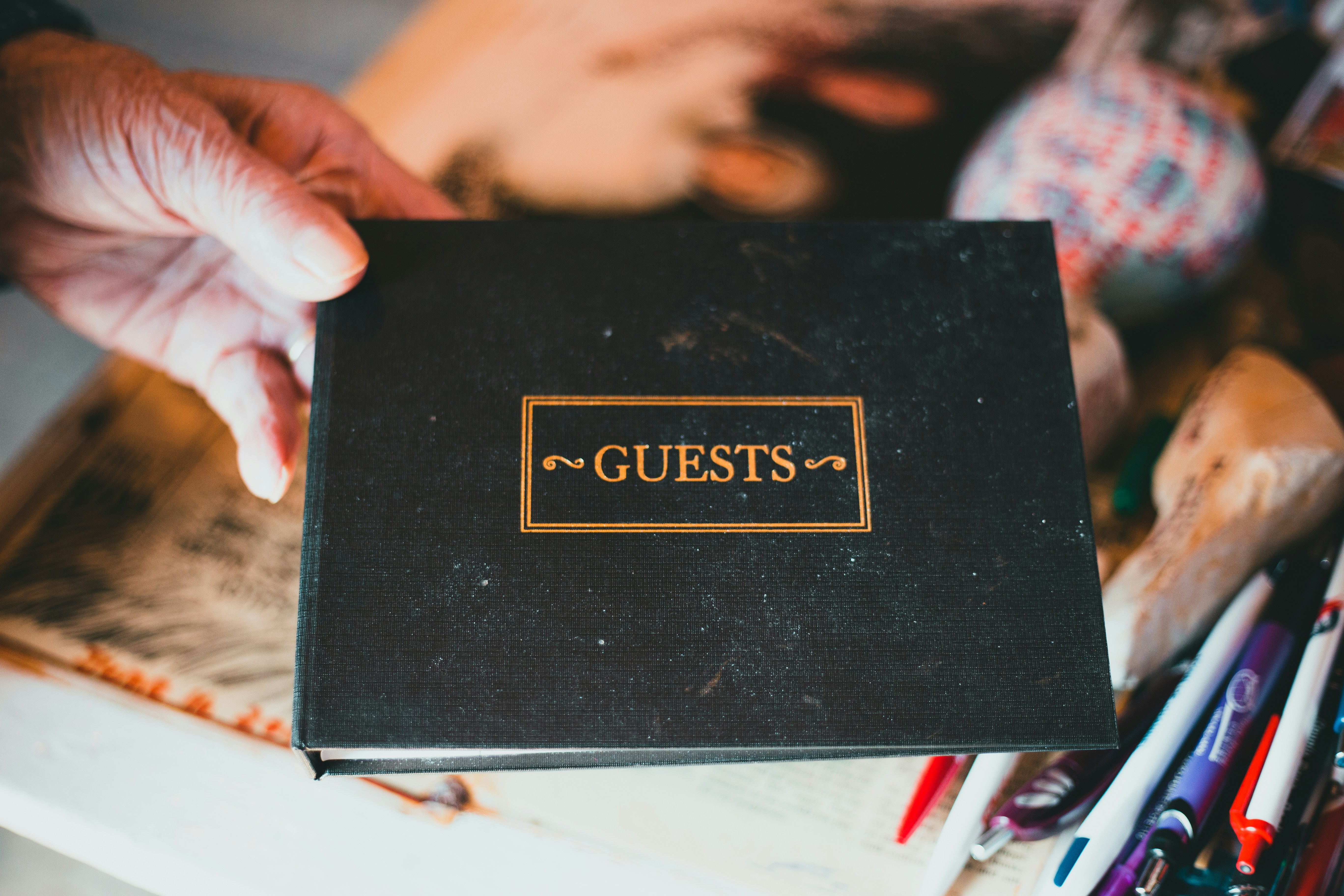
Recently I was searching for a motel, cabin, anything really, near the Colorado River. I’m travelling in two months. I know I’ll be staying in that area. This wasn’t casual browsing. I was a high-intent guest, ready to shortlist and potentially book.
I was on my phone, on a train, doing what every normal traveller does.
I found a resort (let’s call it “River Resort” for confidentiality). It’s a chain. Multiple locations. Looks established.
And after 10 minutes on their website, I gave up.
Not because of price.
Not because of availability.
Not because I changed my mind.
Because the hotel website experience was so confusing that I genuinely couldn’t figure out what they were offering or how to book it.
If you work in hospitality, this is exactly how revenue leaks out of your business.
Let me walk you through what happened.
When the Sitemap Creates Anxiety
The first thing I did was open the menu.
Immediately I saw separate top-level categories for:
Houseboats
Houseboat hotel
Motel
RV sites
I didn’t know what I wanted yet. That’s normal. Most travellers don’t.
So I started clicking everything.
Each option sounded similar but slightly different. Was a houseboat hotel a floating hotel? Was it docked? Was it different from a houseboat rental? Was the motel separate from the resort?
The homepage didn’t help. It mentioned everything, kayak rental, boat rental, motel, RV sites, all smashed together. No structure. No guidance.
This is a classic hotel website UX issue: too much information without intent-based grouping.
When your hospitality digital journey isn’t structured around user intent, you force guests to build the structure in their own head.
Most won’t.
It Felt Like Four Different Websites
As I clicked through pages, something else became clear.
Each section looked completely different.
Different layouts.
Different styling.
Different structure.
Some pages weren’t even properly optimised for mobile - content was cut off on the right side of my screen.
On desktop this might be “fine”.
On mobile, this kills trust.
And most hotel website traffic today is mobile-first.
When pages feel disconnected, users start wondering:
Am I still on the same website?
Is this booking secure?
Is this even the same brand?
Consistency is a core part of good website optimisation for hotels. Without it, the experience feels fragmented, and fragmented experiences don’t convert.
The Booking Flow Was… Chaos
Then came the booking experience.
There were overlapping fixed buttons at the bottom of the screen. Multiple “Book Now” buttons. Clicking one “Book Now” took me to another “Book Now” page.
More clicks. More confusion.
When I finally reached the booking interface, I was presented with three different ways to choose dates:
“This week / next week”
A normal date picker
A strange month slider
I had no idea which one I was supposed to use.
If I clicked “next week”, I still had to manually select an arrival date anyway. So why was it there?
In hotel website UX, the booking flow should be the simplest part of the journey. This is where intent peaks. This is where friction should be removed, not introduced.
And it got better.
Underneath the booking section, where I’m trying to confirm dates, there were testimonials and images.
This is not the moment for social proof.
This is the moment for clarity.
Then, despite selecting 2 guests, I was shown 12-person houseboats for $1200 per night.
At that point I closed the tab.
A high-intent guest. Gone.
Why This Happens on So Many Hotel Websites
This isn’t about one resort.
This is a pattern I see constantly when analysing hotel websites.
Over time, properties add:
New accommodation types
New activities
New packages
New booking systems
But they rarely step back and redesign the overall website experience.
So what happens?
The sitemap grows.
The homepage becomes overloaded.
The booking flow gets patched instead of rebuilt.
Mobile becomes an afterthought.
And the hospitality digital journey becomes reactive instead of intentional.
How I Would Fix This (And How Hotels Can Improve Website Experience)
If I were diagnosing this hotel website, here’s how I’d approach cleaning it up.
1. Clarify and Group Services Properly
First, I’d audit everything they offer and group it into clear buckets:
Overnight stays (motel, cabins, houseboat hotel)
Rentals (houseboats, boats)
Activities (kayak, tours, etc.)
Users don’t need fancy internal naming conventions in the main navigation. They need clarity.
No one opens a menu thinking, “I’d love to compare six boat model names.”
They think, “I need somewhere to stay.”
Good website optimisation for hotels starts with clear information architecture.
2. Fix the Homepage Information Flow
The homepage should guide different types of visitors:
Someone looking for accommodation
Someone looking for activities
Someone just exploring
A property that does this very well is Hotel Salut Hof.
They start broad - who we are, what we offer - and then gradually guide users into specific services. It feels natural. Structured. Intent-led.
That’s what a strong hotel website experience looks like.
Not everything everywhere all at once.
3. Clean Up the Sitemap
Navigation should reflect user goals, not internal departments.
All overnight stay options together.
All activity options together.
Clear labels.
No duplication.
If users have to click four top-level items just to understand what you sell, your sitemap is working against you.
4. Redesign the Booking Flow
Booking should follow industry standards:
One clear date picker
Guest count aligned with results
No duplicate “Book Now” layers
No distractions below the fold
Mobile-first layout
Testimonials belong on the homepage or accommodation pages, not inside the transactional moment.
The booking flow is where hotel website UX directly impacts revenue. Every extra click costs money.
This Is Exactly What I Look For in a My Projects
First, I diagnose the problems - where users get confused, where intent breaks, where the booking flow creates friction, where mobile fails.
Then I optimise it.
That means restructuring the sitemap, clarifying the information flow, redesigning the booking journey, and aligning the entire hospitality digital journey with how real guests actually search and book.
An audit tells you what’s wrong.
Optimisation fixes it.
If you’d like a proper breakdown of your hotel website UX and a clear action plan to improve conversions, you can explore my services, such as Diagnose or Optimise or get in touch.
Because high-intent guests shouldn’t be the ones giving up.
Recently I was searching for a motel, cabin, anything really, near the Colorado River. I’m travelling in two months. I know I’ll be staying in that area. This wasn’t casual browsing. I was a high-intent guest, ready to shortlist and potentially book.
I was on my phone, on a train, doing what every normal traveller does.
I found a resort (let’s call it “River Resort” for confidentiality). It’s a chain. Multiple locations. Looks established.
And after 10 minutes on their website, I gave up.
Not because of price.
Not because of availability.
Not because I changed my mind.
Because the hotel website experience was so confusing that I genuinely couldn’t figure out what they were offering or how to book it.
If you work in hospitality, this is exactly how revenue leaks out of your business.
Let me walk you through what happened.
When the Sitemap Creates Anxiety
The first thing I did was open the menu.
Immediately I saw separate top-level categories for:
Houseboats
Houseboat hotel
Motel
RV sites
I didn’t know what I wanted yet. That’s normal. Most travellers don’t.
So I started clicking everything.
Each option sounded similar but slightly different. Was a houseboat hotel a floating hotel? Was it docked? Was it different from a houseboat rental? Was the motel separate from the resort?
The homepage didn’t help. It mentioned everything, kayak rental, boat rental, motel, RV sites, all smashed together. No structure. No guidance.
This is a classic hotel website UX issue: too much information without intent-based grouping.
When your hospitality digital journey isn’t structured around user intent, you force guests to build the structure in their own head.
Most won’t.
It Felt Like Four Different Websites
As I clicked through pages, something else became clear.
Each section looked completely different.
Different layouts.
Different styling.
Different structure.
Some pages weren’t even properly optimised for mobile - content was cut off on the right side of my screen.
On desktop this might be “fine”.
On mobile, this kills trust.
And most hotel website traffic today is mobile-first.
When pages feel disconnected, users start wondering:
Am I still on the same website?
Is this booking secure?
Is this even the same brand?
Consistency is a core part of good website optimisation for hotels. Without it, the experience feels fragmented, and fragmented experiences don’t convert.
The Booking Flow Was… Chaos
Then came the booking experience.
There were overlapping fixed buttons at the bottom of the screen. Multiple “Book Now” buttons. Clicking one “Book Now” took me to another “Book Now” page.
More clicks. More confusion.
When I finally reached the booking interface, I was presented with three different ways to choose dates:
“This week / next week”
A normal date picker
A strange month slider
I had no idea which one I was supposed to use.
If I clicked “next week”, I still had to manually select an arrival date anyway. So why was it there?
In hotel website UX, the booking flow should be the simplest part of the journey. This is where intent peaks. This is where friction should be removed, not introduced.
And it got better.
Underneath the booking section, where I’m trying to confirm dates, there were testimonials and images.
This is not the moment for social proof.
This is the moment for clarity.
Then, despite selecting 2 guests, I was shown 12-person houseboats for $1200 per night.
At that point I closed the tab.
A high-intent guest. Gone.
Why This Happens on So Many Hotel Websites
This isn’t about one resort.
This is a pattern I see constantly when analysing hotel websites.
Over time, properties add:
New accommodation types
New activities
New packages
New booking systems
But they rarely step back and redesign the overall website experience.
So what happens?
The sitemap grows.
The homepage becomes overloaded.
The booking flow gets patched instead of rebuilt.
Mobile becomes an afterthought.
And the hospitality digital journey becomes reactive instead of intentional.
How I Would Fix This (And How Hotels Can Improve Website Experience)
If I were diagnosing this hotel website, here’s how I’d approach cleaning it up.
1. Clarify and Group Services Properly
First, I’d audit everything they offer and group it into clear buckets:
Overnight stays (motel, cabins, houseboat hotel)
Rentals (houseboats, boats)
Activities (kayak, tours, etc.)
Users don’t need fancy internal naming conventions in the main navigation. They need clarity.
No one opens a menu thinking, “I’d love to compare six boat model names.”
They think, “I need somewhere to stay.”
Good website optimisation for hotels starts with clear information architecture.
2. Fix the Homepage Information Flow
The homepage should guide different types of visitors:
Someone looking for accommodation
Someone looking for activities
Someone just exploring
A property that does this very well is Hotel Salut Hof.
They start broad - who we are, what we offer - and then gradually guide users into specific services. It feels natural. Structured. Intent-led.
That’s what a strong hotel website experience looks like.
Not everything everywhere all at once.
3. Clean Up the Sitemap
Navigation should reflect user goals, not internal departments.
All overnight stay options together.
All activity options together.
Clear labels.
No duplication.
If users have to click four top-level items just to understand what you sell, your sitemap is working against you.
4. Redesign the Booking Flow
Booking should follow industry standards:
One clear date picker
Guest count aligned with results
No duplicate “Book Now” layers
No distractions below the fold
Mobile-first layout
Testimonials belong on the homepage or accommodation pages, not inside the transactional moment.
The booking flow is where hotel website UX directly impacts revenue. Every extra click costs money.
This Is Exactly What I Look For in a My Projects
First, I diagnose the problems - where users get confused, where intent breaks, where the booking flow creates friction, where mobile fails.
Then I optimise it.
That means restructuring the sitemap, clarifying the information flow, redesigning the booking journey, and aligning the entire hospitality digital journey with how real guests actually search and book.
An audit tells you what’s wrong.
Optimisation fixes it.
If you’d like a proper breakdown of your hotel website UX and a clear action plan to improve conversions, you can explore my services, such as Diagnose or Optimise or get in touch.
Because high-intent guests shouldn’t be the ones giving up.
Let's Talk!
Are you a small hospitality business owner who wants clearer online setup, smoother guest communication, or simply less admin stress?